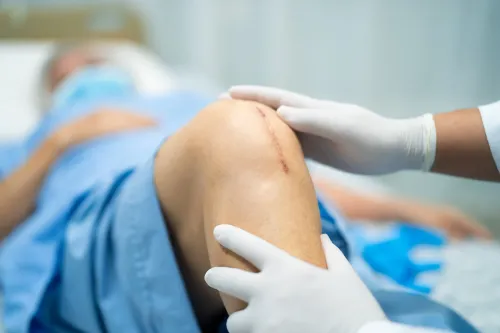

A fall or collision can produce a dangerous head, chest, abdominal, spinal or limb injury even when the person is awake and walking. You will learn how to make the scene safer, identify emergency warning signs, give appropriate first aid, and provide clinicians with the details that speed diagnosis and treatment.
Key takeaways
- Check hazards before approaching and call emergency services with the exact location.
- Seek emergency care for severe bleeding, breathing trouble, confusion, deformity or loss of movement.
- Do not walk off pain; adrenaline can hide fractures, dislocations and internal injuries.
- Avoid moving the neck or spine unless danger demands it, and do not straighten deformities.
What to Do in the First Minutes After an Accident
1. Check for traffic, fire, leaking fuel, unstable structures and other hazards before approaching. Do not become a second casualty. Put on disposable gloves if available, then call emergency services and give the exact location, number of injured people and obvious dangers.
2. Tell the injured person to keep still and avoid unnecessary neck or spine movement. Do not sit them up, straighten them or ask them to walk. Move them only when staying at the scene creates immediate danger, such as fire, oncoming traffic or collapse.
3. Cover visible bleeding with firm, continuous direct pressure using gauze, clothing or another clean material. If an object is embedded, press firmly around it without removing it; pulling it out can release severe bleeding.
4. First aid after a fall and road accident first aid must look beyond the painful limb. Clinicians begin with airway, breathing, circulation, neurological status and full-body exposure, checking for injuries that are not immediately visible.
A broken-looking arm must not distract you from breathing difficulty, chest pain, abdominal tenderness, head injury or spinal pain. Expose enough of the body to find other wounds while protecting the person from cold, and report changes in alertness, breathing or movement to emergency services.
Which Signs Mean You Need Emergency Care Now?
Call an ambulance or go to an emergency department after an accident if any of these signs appear; do not wait for a routine orthopaedic appointment.
| Sign | What it may indicate | Action |
|---|---|---|
| Loss of consciousness, confusion, worsening headache, repeated vomiting or increasing drowsiness | Concussion symptoms or a more serious brain injury | Emergency assessment now |
| Neck or back pain, new weakness, numbness, altered sensation or unequal movement | Spinal injury warning signs | Keep the person still and call emergency services |
| Breathing difficulty or chest pain | Chest injury or internal injury | Call an ambulance immediately |
| Abdominal tenderness, faintness, severe bleeding or deteriorating alertness | Internal bleeding or shock | Emergency care after an accident |
| An open wound over a suspected fracture | An open fracture emergency | Cover it and go to the emergency department |
| Obvious limb deformity or inability to bear weight | Fracture or dislocation | Do not straighten it; seek emergency care |
| A cold, blue, pale or pulseless hand or foot | Loss of blood flow | Emergency treatment now |
| New weakness, numbness or loss of movement | Nerve or spinal injury | Do not drive the person yourself |
A dislocated joint can stretch or compress nearby nerves and blood vessels even when the skin is intact. Severe pain, a visibly abnormal joint, unequal movement or altered sensation needs urgent assessment; forceful self-reduction can cause fracture, nerve injury or vascular injury.
Symptoms can worsen after the accident. Increasing headache, neck or back pain, vomiting, abdominal tenderness, chest pain or drowsiness warrants immediate reassessment, even if the person was initially walking and talking.
Why Walking or Feeling Better Does Not Clear an Injury
Adrenaline can temporarily blunt pain, so you may stand, walk or feel almost normal while injured tissues remain damaged. Walking does not exclude hidden fractures after a fall, and a normal pulse does not rule out a fracture, internal injury or compromised muscle and nerves.
Weight-bearing can remain possible with:
- Hip, pelvic or vertebral fractures
- Scaphoid fractures in the wrist
- Rib fractures
- Torn or severely damaged ligaments
A normal X-ray but persistent pain is not a clearance to resume driving, sport or heavy work. If pain stays sharply localised, swelling increases, or movement or strength is reduced, arrange examination and appropriate imaging; clinicians may order repeat radiographs, CT or MRI because an early fracture can be occult.
Head injuries also evolve after you leave the scene. Delayed concussion symptoms include worsening headache, vomiting, confusion, unusual drowsiness, memory problems, weakness or a seizure.
After loss of consciousness or amnesia, seek urgent head injury CT scan consideration when you are 65 or older, have a bleeding or clotting disorder, experienced a dangerous mechanism, or have more than 30 minutes of retrograde amnesia.
Tell clinicians about anticoagulant or antiplatelet medication, even if you feel well, because it changes the assessment threshold. Persistent symptoms deserve review rather than reassurance from mobility, a normal pulse or an unremarkable first X-ray.
What First Aid Helps—and What Can Make the Injury Worse?
Support and immobilise the injured area in the position you found it; do not straighten a deformity or force a joint back into place. This is the foundation of suspected fracture first aid and dislocation first aid while emergency help is arranged.
For safe swelling treatment, place a cold pack wrapped in cloth against the area for short periods, such as 15 to 20 minutes, then remove it. Take off rings, watches and tight clothing before swelling increases and circulation becomes restricted.
| Action | Do this | Avoid this |
|---|---|---|
| Suspected fracture | Support the limb and keep it still | Do not massage it or straighten it |
| Dislocation | Hold the joint in its found position | Do not attempt forceful self-reduction |
| Embedded object | Stabilise it and apply pressure around it | Do not pull it out |
| Open fracture | Cover the wound with a sterile dressing and seek prompt specialist treatment | Do not probe or repeatedly wash the wound |
| Possible surgery | Keep the person without food or drink until emergency assessment | Do not give a meal or fluids |
An open fracture allows bacteria and debris to reach bone and soft tissue; it needs circulation and nerve checks, intravenous antibiotics and surgical planning. Escalating pain, pain out of proportion to the visible injury, or pain on passive stretching are compartment syndrome symptoms. This remains an emergency even when the pulse is normal.
How Prompt Assessment Changes Treatment and Recovery
1. Tell the trauma doctor exactly what happened: the mechanism and time of impact, the body part struck, any head impact or loss of consciousness, your medicines, allergies, tetanus status, and every change in movement or sensation. This information guides an orthopaedic assessment after an accident more effectively than “it just hurts.”
2. Prompt assessment protects nerves, blood vessels and tissue. Before and after reducing a dislocated joint, clinicians record pulses, skin colour, sensation and movement; a dislocation can damage nearby structures even when the skin looks normal. An open fracture needs intravenous antibiotics, wound protection and early surgical planning, not delayed outpatient review.
3. For a medically fit older adult with a hip fracture, hip fracture treatment timing matters: surgery is recommended on the day of, or the day after, admission when reversible problems such as dehydration, anaemia or anticoagulation are addressed without unnecessary delay.
Pain relief supports examination, breathing exercises and safe mobilisation, but it does not replace repeated neurological, vascular or abdominal checks.
4. Once the injury is stable, coordinated rehabilitation after fracture helps restore movement while reducing stiffness, weakness and immobility-related complications. Keep photographs, police or ambulance reports and insurance information when safe to obtain them after care begins.
Dr DineshRam Orthopedician ECR can help with examination, imaging decisions, follow-up and rehabilitation after emergency risks have been assessed; suspected life-threatening injury belongs in emergency care first.
Related service
TRAUMA, FRACTURE & DISLOCATIONS TREATMENT Trauma, fractures, and dislocations can occur unexpectedly, often due to accidents, falls, or sports injuries, causing pain and temporarily affecting... View service → |
Frequently asked questions
What should you do in the first minutes after a fall or road accident?
Check for traffic, fire, leaking fuel and unstable structures. Call emergency services, provide the exact location, report the number of injured people and identify obvious dangers.
Which signs mean you need emergency care immediately?
Call for emergency care for severe bleeding, breathing difficulty, confusion, loss of consciousness, major deformity, inability to move a limb or suspected head, neck or spine injury.
Why does walking or feeling better not rule out an injury?
Adrenaline can temporarily reduce pain. Walking does not exclude a fracture, dislocation, ligament injury or internal injury, so persistent pain or swelling needs assessment.
What first aid can make an accident injury worse?
Do not straighten a deformed limb, force movement, massage a painful area or move someone with a possible spine injury unless immediate danger requires it.
How can prompt assessment change treatment and recovery?
Early assessment identifies fractures, dislocations, nerve damage and other serious injuries, allowing timely immobilisation, imaging, treatment and rehabilitation.