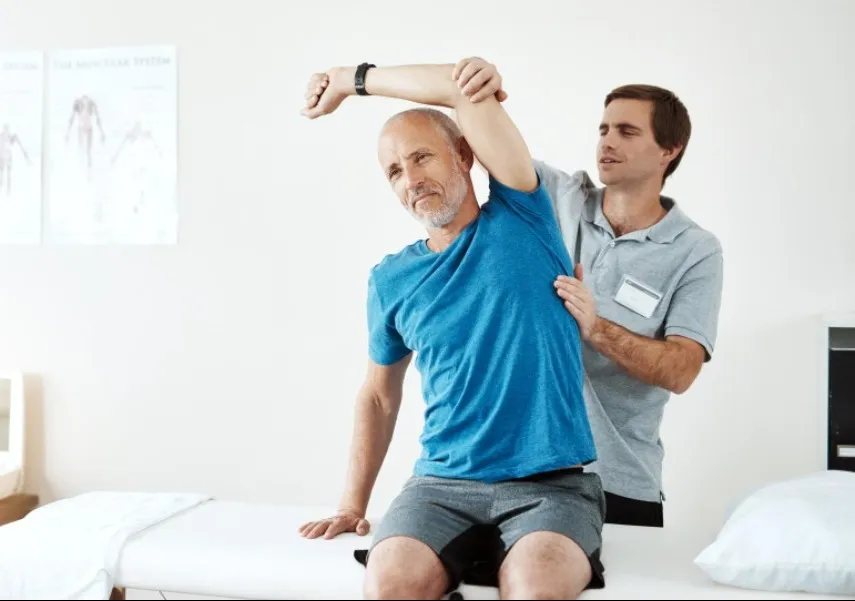
Starting rehabilitation after an injury or operation can raise several practical questions. When should exercises begin? How much discomfort is acceptable? Which movements should be avoided? When can normal work, walking, or sport resume?
Choosing Physiotherapy in Chennai after orthopaedic treatment should therefore involve more than finding an exercise programme. Rehabilitation needs to match the diagnosis, healing stage, medical instructions, and functional goals.
Look for a Diagnosis Based Programme
A useful rehabilitation plan begins with understanding exactly what is being treated.
After surgery, the procedure performed and postoperative precautions matter. After a fracture, bone healing and weight-bearing instructions need consideration. Following a soft-tissue injury, the injured structure and severity influence exercise progression.
A programme should therefore be adjusted rather than copied from someone with apparently similar symptoms.
Ask What the Rehabilitation Goals Are
Patients should understand what improvement is expected at different stages.
Depending on the condition, goals might include:
- Controlling swelling and maintaining safe movement
- Restoring joint range of motion
- Rebuilding muscle strength
- Improving balance and coordination
- Normalising walking
- Returning to work or daily activities
- Gradually returning to recreational activity or sport
Not every patient follows these stages at the same speed.
Communication With Orthopaedic Care Matters
Rehabilitation may need modification if pain unexpectedly worsens, swelling increases significantly, movement deteriorates, or new symptoms develop.
After an operation, communication between rehabilitation and orthopaedic care is particularly useful because some procedures have specific movement or weight-bearing precautions.
At Dr DineshRam Orthopedician, physiotherapy recommendations can be integrated with the patient's orthopaedic diagnosis, treatment plan, and recovery requirements.
Avoid Two Common Rehabilitation Mistakes
The first mistake is doing too little because every sensation is interpreted as damage. Excessive inactivity can contribute to stiffness and weakness in some circumstances.
The second is progressing too aggressively because the patient wants a faster recovery. Healing tissues have biological timelines that cannot simply be bypassed by exercising harder.
A structured programme aims for appropriate progression between these extremes.
Choose Rehabilitation Around Real Life
Patients across Chennai and Tamil Nadu have different functional demands. A person who works at a desk may have different rehabilitation goals from someone whose job involves prolonged standing, lifting, or climbing stairs. An older adult seeking independent walking may require a different programme from an athlete returning to sport.
Good physiotherapy should therefore connect clinical recovery with the activities the patient actually needs to perform.
The right rehabilitation plan is one that is safe for the diagnosed condition, measurable in its goals, appropriately progressive, and adaptable as function improves.
Keywords