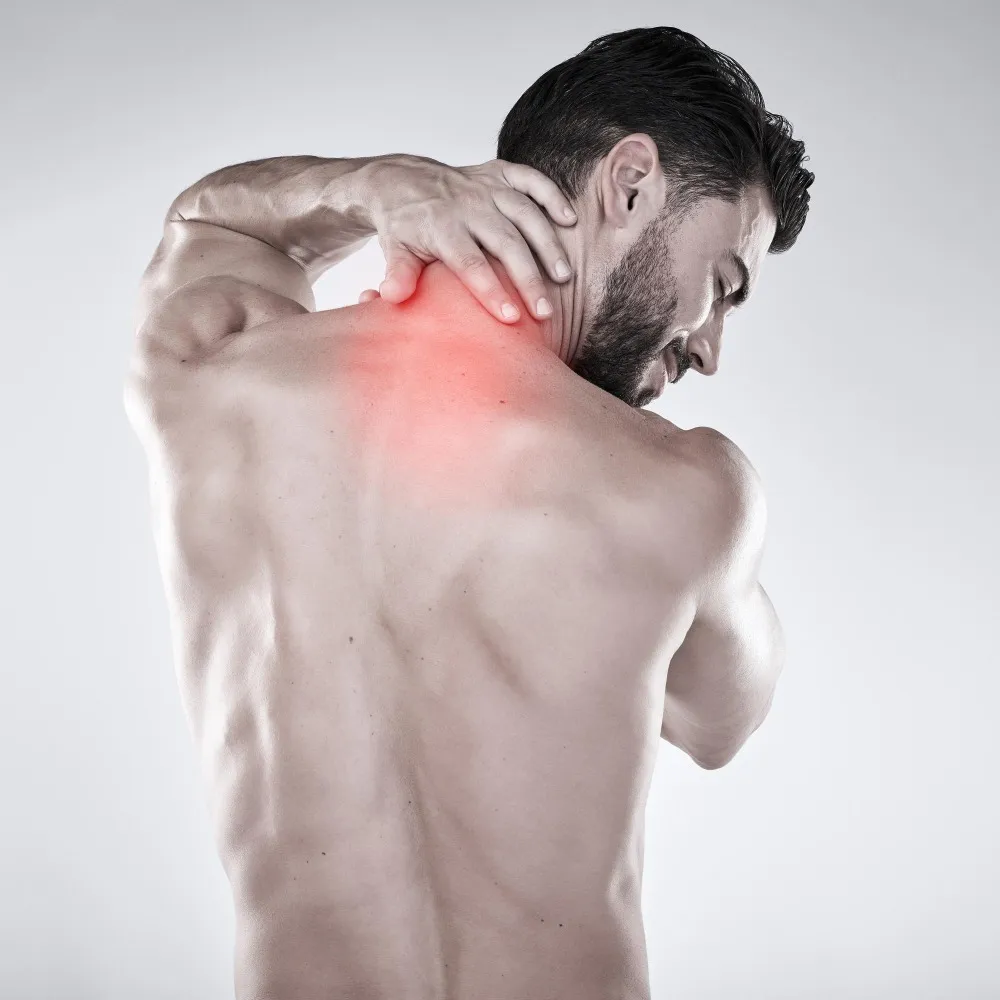
Muscle pain can appear after exercise, long working hours, poor posture, lifting, or an unfamiliar physical activity. It may also be related to a strain, nerve irritation, joint problem, medication, infection, or an underlying health condition.
For people seeking muscle pain relief in Chennai, the most effective approach begins with identifying why the pain developed. Treating every muscular complaint with massage, painkillers, or complete rest may provide temporary comfort without addressing its source.
Step 1: Identify the Pain Pattern
Recent exercise-related soreness often affects the muscles used during activity and gradually improves. A strain may cause more localised pain, tenderness, weakness, or discomfort when the muscle contracts or stretches.
Pain that radiates from the neck or back into an arm or leg may involve a nerve rather than the muscle alone. Joint conditions can also produce surrounding muscle pain because the body changes its movement pattern to protect the affected area.
Watch for these warning signs:
- Pain after a fall, collision, or lifting injury
- Significant swelling, bruising, or weakness
- Numbness, tingling, or pain travelling down a limb
- Symptoms that keep returning in the same area
- Pain accompanied by fever or unexplained fatigue
Step 2: Avoid Aggravating the Problem
Temporarily reduce the movement that triggers sharp pain. For a recent strain, a wrapped cold pack may help manage discomfort and swelling. Heat may be more suitable for stiffness or muscle tightness once an acute injury has settled.
Do not forcefully stretch an injured muscle. Stretching should feel controlled and should not reproduce sharp pain. Likewise, complete inactivity for several days can contribute to stiffness and loss of strength unless rest has been specifically advised.
Step 3: Find the Underlying Cause
An orthopaedic evaluation may include questions about work posture, exercise routine, sleep, previous injuries, medication, and associated joint or nerve symptoms.
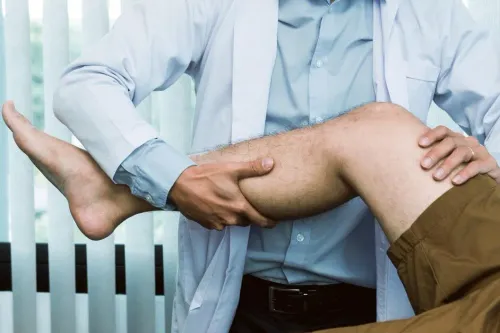
The physical examination can assess tenderness, flexibility, strength, movement, reflexes, and the nearby joints. Imaging or blood tests are not required for every muscular complaint and are generally selected according to the findings.
Step 4: Use a Condition-Specific Plan
Treatment may include short-term medication, physiotherapy, posture correction, gradual strengthening, ergonomic changes, or modification of training technique. Recovery expectations will depend on the type and severity of the problem.
Dr DineshRam Orthopedician in Chennai offers assessment for individuals seeking muscle pain relief in Chennai. Before choosing another temporary remedy, map the pain for three days by noting its location, triggers, duration, and associated symptoms. Take this record to an orthopaedic consultation to begin a treatment plan based on the cause, not guesswork.
Keywords