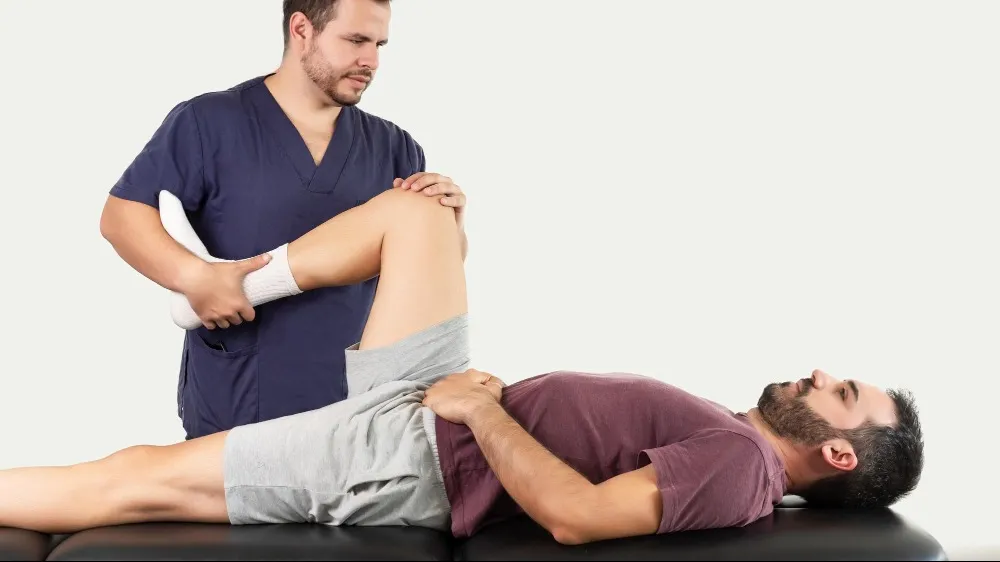
Physiotherapy is frequently used in orthopaedic care to restore movement, improve strength, support recovery, and help patients return safely to everyday activities. Its role can vary significantly depending on whether the problem involves an injury, surgery, arthritis, muscle weakness, stiffness, or another musculoskeletal condition.
Patients considering Physiotherapy in Chennai often benefit most when rehabilitation is based on a clear diagnosis rather than a generic collection of exercises.
What Can Orthopaedic Physiotherapy Address?
A structured rehabilitation programme may be useful for:
- Recovery after certain fractures
- Rehabilitation following orthopaedic surgery
- Joint stiffness
- Muscle weakness
- Reduced mobility
- Selected sports injuries
- Osteoarthritis management
- Recovery following immobilisation
- Improving balance and functional movement
The exact programme should reflect the patient's condition and stage of recovery.
Why Assessment Comes Before Exercise
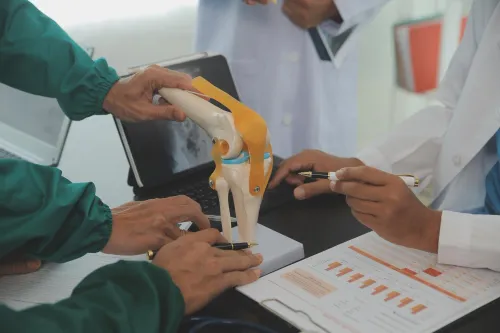
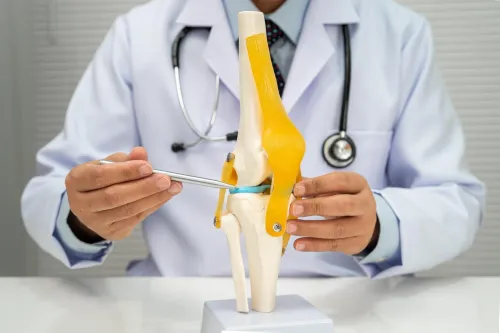
Pain in the same body area can arise from different structures. Knee discomfort, for example, can have several possible causes. Giving identical exercises to everyone with knee pain may therefore be inappropriate.
Clinical assessment can identify movement restrictions, weakness, functional limitations, and precautions that need to be considered.
At Dr DineshRam Orthopedician, physiotherapy may form part of a broader orthopaedic management plan when rehabilitation is appropriate for the diagnosed condition.
Progression Is an Important Part of Rehabilitation
Effective physiotherapy is not necessarily about performing more exercises. It is about performing suitable exercises and progressing them at an appropriate rate.
Early rehabilitation may focus on comfortable movement and basic muscle activation. As healing and function improve, exercises may progress toward strength, balance, endurance, coordination, and activity-specific movement.
Following surgery or significant injury, progression must also respect tissue healing and any restrictions advised by the treating team.
Consistency Matters Outside the Clinic
Patients often spend far more time at home than they do in physiotherapy sessions. A clearly explained home exercise programme can therefore be an important part of rehabilitation.
Exercises should be performed with the recommended technique and frequency. Doing substantially more than prescribed is not necessarily beneficial and can sometimes aggravate symptoms.
Chennai residents returning to office work, household responsibilities, commuting, sports, or physically demanding jobs may also need rehabilitation goals that reflect those specific activities.
Rehabilitation Should Have a Functional Goal
The purpose of physiotherapy is not simply to complete a fixed number of sessions. Progress should relate to meaningful outcomes such as improved joint movement, stronger muscles, safer walking, better balance, reduced functional limitation, or readiness to return to specific activities.
For patients across Tamil Nadu, this goal-based approach makes rehabilitation easier to understand. Knowing what each stage is trying to achieve can encourage consistent participation and help the treating team adjust the programme according to actual progress rather than following a one-size-fits-all routine.
Keywords