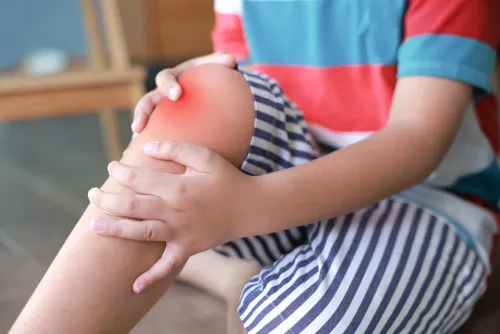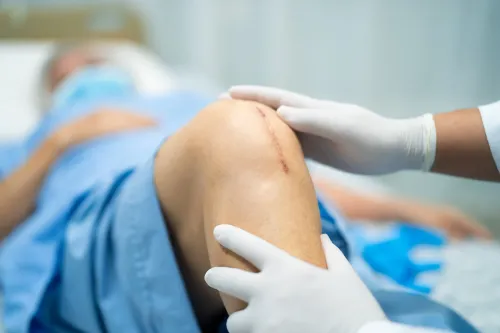
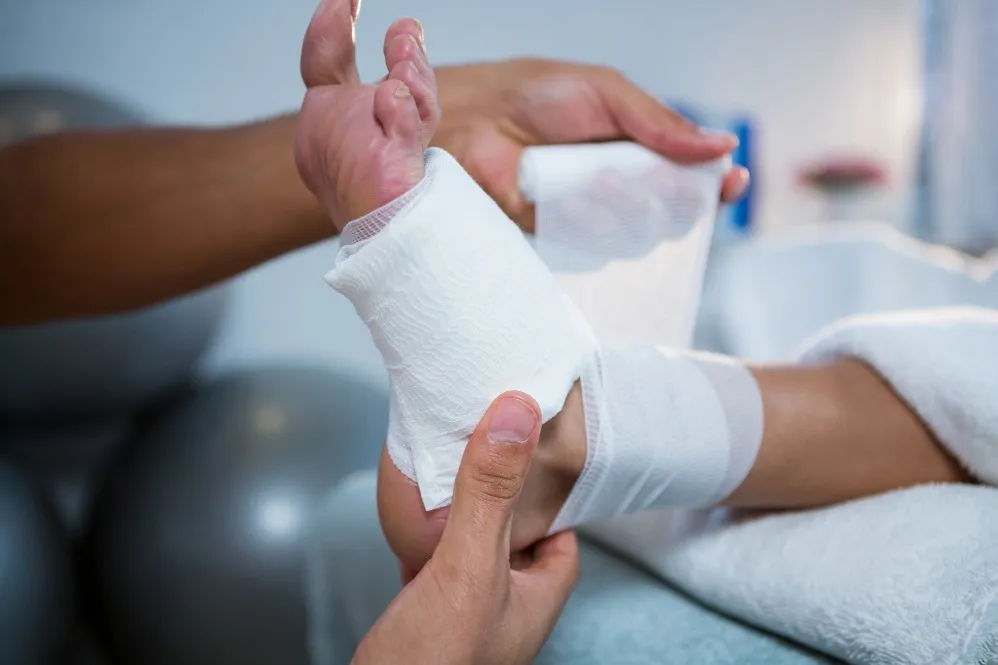
Road accidents, workplace incidents, sports collisions, and household falls can cause fractures, dislocations, ligament injuries, or significant soft-tissue damage. The first actions taken after an injury can affect comfort, safety, and further tissue damage.
Anyone requiring trauma, fractures, and dislocations treatment in Chennai should avoid trying to diagnose or correct the injury without medical evaluation. A limb that appears only swollen may still have a fracture, while an obvious deformity may involve both bone and joint damage.
Recognise the Warning Signs
A fracture or dislocation may cause severe pain, swelling, bruising, deformity, restricted movement, or inability to bear weight. Numbness, pale or bluish skin, or a cold hand or foot can indicate an effect on circulation or nerves.
Seek urgent medical attention if the injured person has:
- Visible bone or a deep wound near the injury
- An obviously deformed limb or joint
- Loss of sensation or movement
- Uncontrolled bleeding
- Chest, spine, head, or multiple injuries
Major trauma requires emergency care, especially when the person is unconscious, confused, breathless, or unable to move safely.
Protect the Injured Area
Do not attempt to straighten a deformed limb or push a dislocated joint back into place. Untrained manipulation can worsen damage to bones, nerves, blood vessels, ligaments, or surrounding tissues.
Keep the person still and support the injured area in the position found. If there is bleeding, apply gentle pressure around the wound using clean material, without pressing directly on exposed bone.
Food or drink may need to be avoided when urgent surgery or anaesthesia could be required. Follow the instructions provided by the emergency team.
Understand the Treatment Process
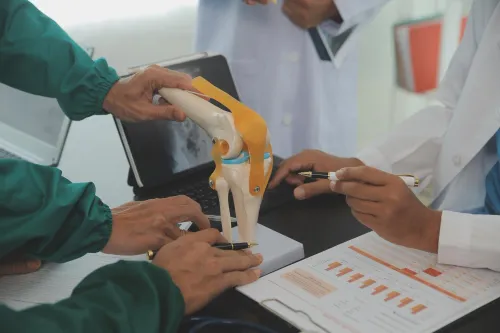
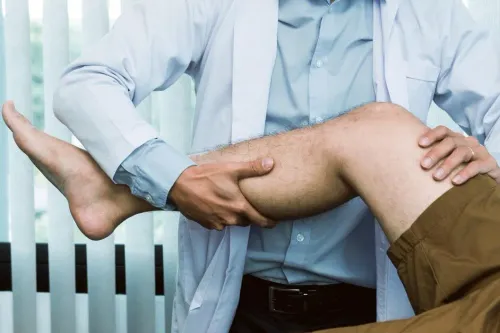
The orthopaedic assessment may include examination of circulation, sensation, movement, wounds, and joint stability. X-rays or other scans help determine the type and extent of the injury.
Treatment may involve immobilisation, reduction of a dislocation, casting, bracing, wound care, medication, or surgery. The choice depends on alignment, stability, soft-tissue injury, age, and the bone or joint involved.
Recovery Continues After Initial Treatment
Follow-up appointments help confirm that the injury is healing in the correct position. Patients should follow instructions regarding weight-bearing, cast care, exercises, medication, and warning signs.
Dr DineshRam Orthopedician in Chennai provides orthopaedic assessment and follow-up care for trauma-related injuries in Chennai. For a suspected fracture or dislocation, prioritise safe immobilisation and immediate evaluation. After initial treatment, organise a follow-up plan before leaving care so that healing, movement, and rehabilitation can be monitored at the appropriate intervals.
Keywords