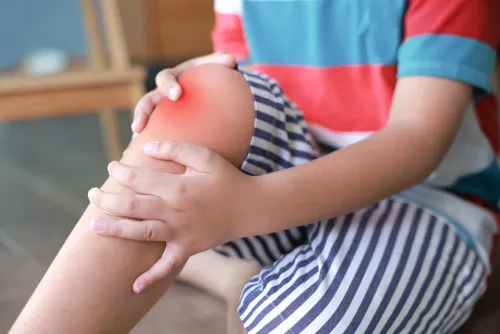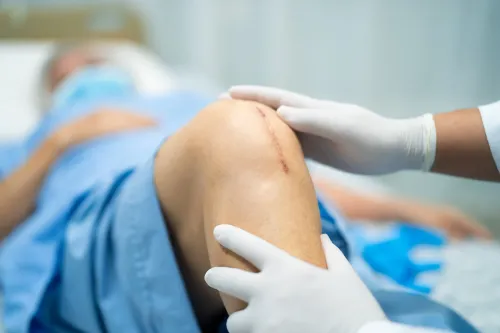
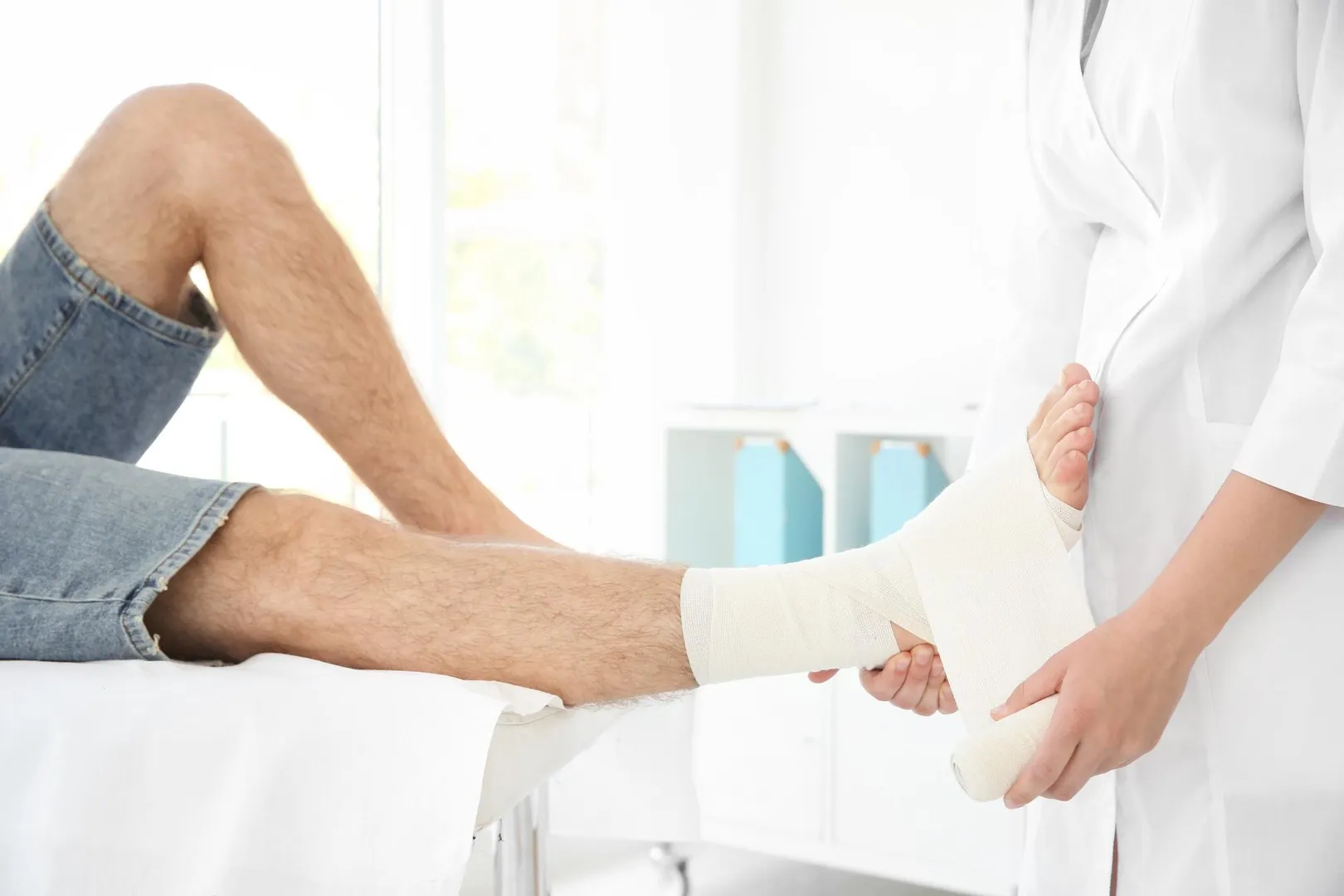
Road accidents, sports injuries, workplace incidents, falls, and household accidents can cause injuries ranging from uncomplicated fractures to complex joint dislocations and significant soft-tissue damage. What happens immediately after an injury can affect pain, safety, and subsequent treatment planning.
People seeking Trauma, Fractures, and Dislocations Treatment in Chennai should recognise warning signs that require prompt orthopaedic assessment.
Signs That an Injury May Be Significant
Medical evaluation is particularly important when an injury causes:
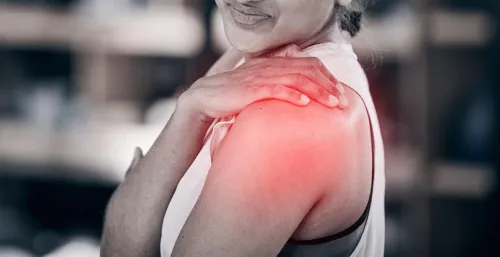
- Severe or increasing pain
- Obvious deformity
- Rapid swelling
- Inability to stand or bear weight
- Inability to move the injured limb normally
- An open wound near a suspected fracture
- Numbness or altered sensation
- A joint that appears out of position
- Significant pain after a high-impact accident
Major trauma can involve more than bones and joints. Emergency assessment is especially important when there are concerns about head, chest, abdominal, spinal, or multiple injuries.
What Should You Do After a Suspected Fracture?
Avoid repeatedly moving or testing a severely injured limb. Supporting the affected area and arranging appropriate medical assessment is safer than attempting to straighten a suspected fracture yourself.
A dislocated joint should also not be forcibly pushed back into position by an untrained person. Nearby nerves and blood vessels can potentially be affected.
How Are These Injuries Assessed?
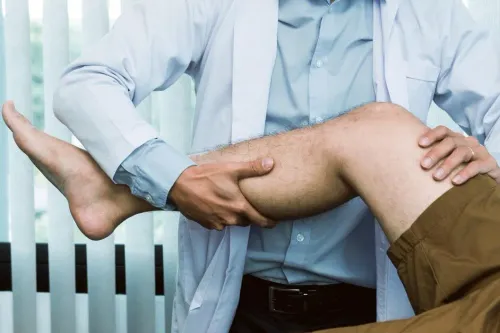
Clinical examination generally evaluates the location and severity of pain, swelling, deformity, movement, skin condition, circulation, and nerve function.
X-rays are commonly used for suspected fractures and dislocations. CT, MRI, or other investigations may be required for selected injuries.
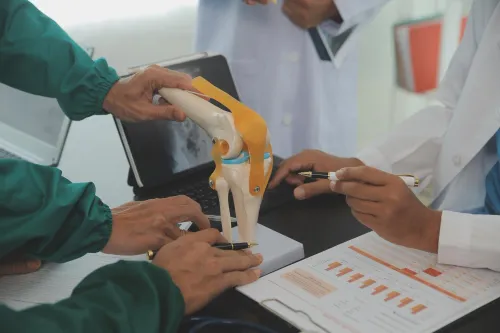
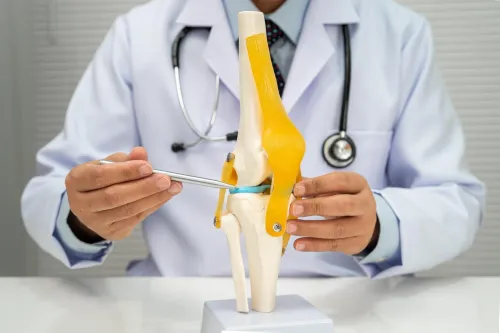
At Dr DineshRam Orthopedician, orthopaedic assessment can determine the nature of the injury and whether treatment requires immobilisation, reduction, casting or bracing, surgical fixation, rehabilitation, or another approach.
Treatment Does Not End When the Bone Heals
Fracture and dislocation recovery often includes a rehabilitation phase. Immobilisation can contribute to stiffness and muscle weakness, while some injuries affect joint stability or surrounding soft tissues.
Once medically appropriate, rehabilitation may focus on restoring movement, strength, balance, and functional use of the affected limb.
For people in Chennai and throughout Tamil Nadu, trauma can occur without warning, particularly during travel, work, sport, or routine daily activities. Recognising potentially serious injuries and obtaining timely assessment can help ensure that fractures and dislocations are properly identified, aligned, stabilised, and monitored.
The immediate priority after significant trauma is not simply reducing pain. It is determining the extent of injury and protecting the affected structures while an appropriate treatment plan is established.
Keywords